
Let there be three independent events E₁, E₂ and E₃. The probability that only E₁ occurs is α, only E₂ occurs is β and only E₃ occurs is γ. Let 'p' denote the probability of none of events occurs that satisfies the equations (α - 2β)p = αβ and (β - 3γ)p = 2βγ. All the given probabilities are assumed to lie in the interval (0, 1). Then, (Probability of occurrence of E₁) / (Probability of occurrence of E₃) is equal to......
Let there be three independent events E₁, E₂ and E₃. The probability that only E₁ occurs is α, only E₂ occurs is β and only E₃ occurs is γ. Let 'p' denote the probability of none of events occurs that satisfies the equations (α - 2β)p = αβ and (β - 3γ)p = 2βγ. All the given probabilities are assumed to lie in the interval (0, 1). Then, (Probability of occurrence of E₁) / (Probability of occurrence of E₃) is equal to......
Similar Questions for you
...(1)
–2α + β = 0 …(2)
Solving (1) and (2)
a =
Variance =
α2 + β2 = 897.7 × 8
= 7181.6
Start with
(1)
(2)
(3) GTE : 4!, GTN: 4!, GTT : 4!
(4) GTWENTY = 1
⇒ 360 + 60 + 60 + 24 + 24 + 24 + 1 = 553
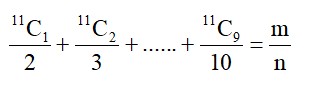
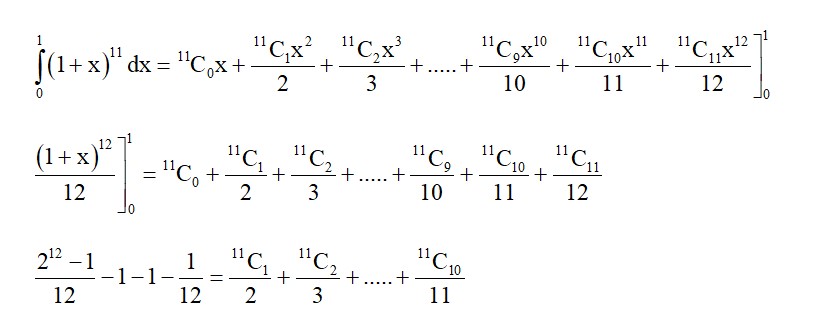
->g(x) = |x|, x Î (–3, 1)
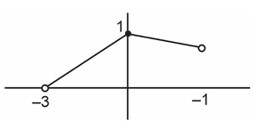
Range of fog(x) is [0, 1]
Range of fog(x) is [0, 1]
Taking an Exam? Selecting a College?
Get authentic answers from experts, students and alumni that you won't find anywhere else.
On Shiksha, get access to
Learn more about...

Didn't find the answer you were looking for?
Search from Shiksha's 1 lakh+ Topics
Ask Current Students, Alumni & our Experts
Have a question related to your career & education?
See what others like you are asking & answering