
As per Hardy-Schulze formulation, the flocculation values of the following for ferric hydroxide sol are in the order :
As per Hardy-Schulze formulation, the flocculation values of the following for ferric hydroxide sol are in the order :
Option 1 - <p><span class="mathml" contenteditable="false"> <math> <msub> <mrow> <mrow> <mi mathvariant="normal">A</mi> <mi mathvariant="normal">l</mi> <mi mathvariant="normal">C</mi> <mi mathvariant="normal">l</mi> </mrow> </mrow> <mrow> <mrow> <mn>3</mn> </mrow> </mrow> </msub> <mo>></mo> <msub> <mrow> <mrow> <mi mathvariant="normal">K</mi> </mrow> </mrow> <mrow> <mrow> <mn>3</mn> </mrow> </mrow> </msub> <mfenced open="[" close="]" separators="|"> <mrow> <mrow> <mi mathvariant="normal">F</mi> <mi mathvariant="normal">e</mi> <mo>(</mo> <mi mathvariant="normal">C</mi> <mi mathvariant="normal">N</mi> <msub> <mrow> <mrow> <mo>)</mo> </mrow> </mrow> <mrow> <mrow> <mn>6</mn> </mrow> </mrow> </msub> </mrow> </mrow> </mfenced> <mo>></mo> <msub> <mrow> <mrow> <mi mathvariant="normal">K</mi> </mrow> </mrow> <mrow> <mrow> <mn>2</mn> </mrow> </mrow> </msub> <msub> <mrow> <mrow> <mi mathvariant="normal">C</mi> <mi mathvariant="normal">r</mi> <mi mathvariant="normal">O</mi> </mrow> </mrow> <mrow> <mrow> <mn>4</mn> </mrow> </mrow> </msub> <mo>></mo> <mi mathvariant="normal">K</mi> <mi mathvariant="normal">B</mi> <mi mathvariant="normal">r</mi> <mo>=</mo> <msub> <mrow> <mrow> <mi mathvariant="normal">K</mi> <mi mathvariant="normal">N</mi> <mi mathvariant="normal">O</mi> </mrow> </mrow> <mrow> <mrow> <mn>3</mn> </mrow> </mrow> </msub> </math> </span></p>
Option 2 - <p><span class="mathml" contenteditable="false"> <math> <msub> <mrow> <mrow> <mi mathvariant="normal">K</mi> </mrow> </mrow> <mrow> <mrow> <mn>3</mn> </mrow> </mrow> </msub> <mfenced open="[" close="]" separators="|"> <mrow> <mrow> <mi mathvariant="normal">F</mi> <mi mathvariant="normal">e</mi> <mo>(</mo> <mi mathvariant="normal">C</mi> <mi mathvariant="normal">N</mi> <msub> <mrow> <mrow> <mo>)</mo> </mrow> </mrow> <mrow> <mrow> <mn>6</mn> </mrow> </mrow> </msub> </mrow> </mrow> </mfenced> <mo><</mo> <msub> <mrow> <mrow> <mi mathvariant="normal">K</mi> </mrow> </mrow> <mrow> <mrow> <mn>2</mn> </mrow> </mrow> </msub> <msub> <mrow> <mrow> <mi mathvariant="normal">C</mi> <mi mathvariant="normal">r</mi> <mi mathvariant="normal">O</mi> </mrow> </mrow> <mrow> <mrow> <mn>4</mn> </mrow> </mrow> </msub> <mo><</mo> <mi mathvariant="normal">K</mi> <mi mathvariant="normal">B</mi> <mi mathvariant="normal">r</mi> <mo>=</mo> <msub> <mrow> <mrow> <mi mathvariant="normal">K</mi> <mi mathvariant="normal">N</mi> <mi mathvariant="normal">O</mi> </mrow> </mrow> <mrow> <mrow> <mn>3</mn> </mrow> </mrow> </msub> <mo>=</mo> <msub> <mrow> <mrow> <mi mathvariant="normal">A</mi> <mi mathvariant="normal">l</mi> <mi mathvariant="normal">C</mi> <mi mathvariant="normal">l</mi> </mrow> </mrow> <mrow> <mrow> <mn>3</mn> </mrow> </mrow> </msub> </math> </span></p>
Option 3 - <p><span class="mathml" contenteditable="false"> <math> <msub> <mrow> <mrow> <mi mathvariant="normal">K</mi> </mrow> </mrow> <mrow> <mrow> <mn>3</mn> </mrow> </mrow> </msub> <mfenced open="[" close="]" separators="|"> <mrow> <mrow> <mi mathvariant="normal">F</mi> <mi mathvariant="normal">e</mi> <mo>(</mo> <mi mathvariant="normal">C</mi> <mi mathvariant="normal">N</mi> <msub> <mrow> <mrow> <mo>)</mo> </mrow> </mrow> <mrow> <mrow> <mn>6</mn> </mrow> </mrow> </msub> </mrow> </mrow> </mfenced> <mo><</mo> <msub> <mrow> <mrow> <mi mathvariant="normal">K</mi> </mrow> </mrow> <mrow> <mrow> <mn>2</mn> </mrow> </mrow> </msub> <msub> <mrow> <mrow> <mi mathvariant="normal">C</mi> <mi mathvariant="normal">r</mi> <mi mathvariant="normal">O</mi> </mrow> </mrow> <mrow> <mrow> <mn>4</mn> </mrow> </mrow> </msub> <mo><</mo> <msub> <mrow> <mrow> <mi mathvariant="normal">A</mi> <mi mathvariant="normal">l</mi> <mi mathvariant="normal">C</mi> <mi mathvariant="normal">l</mi> </mrow> </mrow> <mrow> <mrow> <mn>3</mn> </mrow> </mrow> </msub> <mo><</mo> <mi mathvariant="normal">K</mi> <mi mathvariant="normal">B</mi> <mi mathvariant="normal">r</mi> <mo><</mo> <msub> <mrow> <mrow> <mi mathvariant="normal">K</mi> <mi mathvariant="normal">N</mi> <mi mathvariant="normal">O</mi> </mrow> </mrow> <mrow> <mrow> <mn>3</mn> </mrow> </mrow> </msub> </math> </span></p>
Option 4 - <p><span class="mathml" contenteditable="false"> <math> <msub> <mrow> <mrow> <mi mathvariant="normal">K</mi> </mrow> </mrow> <mrow> <mrow> <mn>3</mn> </mrow> </mrow> </msub> <mfenced open="[" close="" separators="|"> <mrow> <mrow> <mi mathvariant="normal">F</mi> <mi mathvariant="normal">e</mi> <mo>(</mo> <mi mathvariant="normal">C</mi> <mi mathvariant="normal">N</mi> <msub> <mrow> <mrow> <mo>)</mo> </mrow> </mrow> <mrow> <mrow> <mn>6</mn> </mrow> </mrow> </msub> <mo>></mo> <msub> <mrow> <mrow> <mi mathvariant="normal">A</mi> <mi mathvariant="normal">l</mi> <mi mathvariant="normal">C</mi> <mi mathvariant="normal">l</mi> </mrow> </mrow> <mrow> <mrow> <mn>3</mn> </mrow> </mrow> </msub> <mo>></mo> <msub> <mrow> <mrow> <mi mathvariant="normal">K</mi> </mrow> </mrow> <mrow> <mrow> <mn>2</mn> </mrow> </mrow> </msub> <msub> <mrow> <mrow> <mi mathvariant="normal">C</mi> <mi mathvariant="normal">r</mi> <mi mathvariant="normal">O</mi> </mrow> </mrow> <mrow> <mrow> <mn>4</mn> </mrow> </mrow> </msub> <mo>></mo> <mi mathvariant="normal">K</mi> <mi mathvariant="normal">B</mi> <mi mathvariant="normal">r</mi> <mo>></mo> <msub> <mrow> <mrow> <mi mathvariant="normal">K</mi> <mi mathvariant="normal">N</mi> <mi mathvariant="normal">O</mi> </mrow> </mrow> <mrow> <mrow> <mn>3</mn> </mrow> </mrow> </msub> </mrow> </mrow> </mfenced> </math> </span></p>
3 Views|Posted a year ago
Asked by Shiksha User
1 Answer
R
Answered by
a year ago
Correct Option - 2
Detailed Solution:
According to Hardy-Schulze Rule coagulation value
 Upvote
Similar Questions for you
The process of settling of colloidal particles is
In physisorption multimolecular layers are formed on solid surface.
Emulsion is a colloidal solution of liquid in liquid.
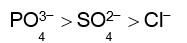
Haemoglobin is a positive colloid. Hence greater is the charge of anion, more effective will be the coagulation of haemoglobin.
Therefore,
Correct order of coagulating power is
Taking an Exam? Selecting a College?
Get authentic answers from experts, students and alumni that you won't find anywhere else.
On Shiksha, get access to
67K
Colleges
|
1.2K
Exams
|
7.2L
Reviews
|
1.9M
Answers
Learn more about...

Chemistry NCERT Exemplar Solutions Class 12th Chapter Eight 2025
View Exam DetailsMost viewed information
SummaryDidn't find the answer you were looking for?
Search from Shiksha's 1 lakh+ Topics
or
Ask Current Students, Alumni & our Experts
Have a question related to your career & education?
or
See what others like you are asking & answering