
One urn contains two black balls (labeled and ) and one white ball. A second urn contains one black ball and two white balls (labeled and ). Suppose the following experiment is performed: one of the two urns is chosen at random. Next, a ball is randomly chosen from the urn. Then a second ball is chosen at random from the same urn without replacing the first ball.
(a) Write the sample space showing all possible outcomes.
(b) What is the probability that two black balls are chosen?
(c) What is the probability that two balls of opposite color are chosen?
One urn contains two black balls (labeled and ) and one white ball. A second urn contains one black ball and two white balls (labeled and ). Suppose the following experiment is performed: one of the two urns is chosen at random. Next, a ball is randomly chosen from the urn. Then a second ball is chosen at random from the same urn without replacing the first ball.
(a) Write the sample space showing all possible outcomes.
(b) What is the probability that two black balls are chosen?
(c) What is the probability that two balls of opposite color are chosen?
This is a long answer type question as classified in NCERT Exemplar
 Upvote
Similar Questions for you
...(1)
–2α + β = 0 …(2)
Solving (1) and (2)
a =
Variance =
α2 + β2 = 897.7 × 8
= 7181.6
Start with
(1)
(2)
(3) GTE : 4!, GTN: 4!, GTT : 4!
(4) GTWENTY = 1
⇒ 360 + 60 + 60 + 24 + 24 + 24 + 1 = 553
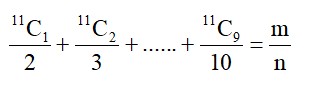
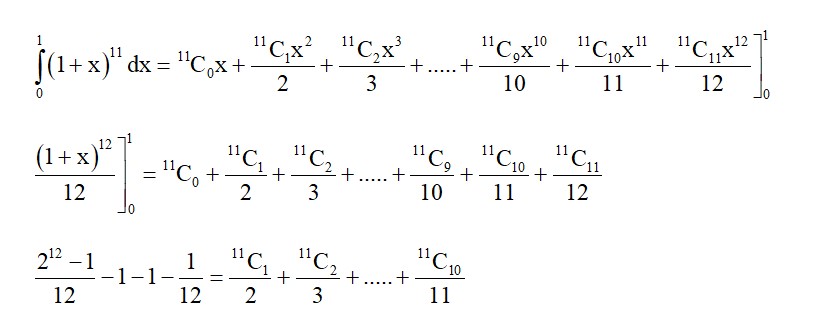
->g(x) = |x|, x Î (–3, 1)
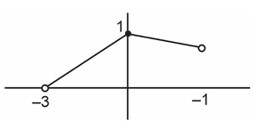
Range of fog(x) is [0, 1]
Range of fog(x) is [0, 1]
Taking an Exam? Selecting a College?
Get authentic answers from experts, students and alumni that you won't find anywhere else.
On Shiksha, get access to
Learn more about...

Maths NCERT Exemplar Solutions Class 11th Chapter Sixteen 2025
View Exam DetailsMost viewed information
SummaryDidn't find the answer you were looking for?
Search from Shiksha's 1 lakh+ Topics
Ask Current Students, Alumni & our Experts
Have a question related to your career & education?
See what others like you are asking & answering