
For a reaction,
4M(s) + nO₂(g) → 2M₂Oₙ(s),
the free energy change is plotted as a function of temperature. The temperature below which the oxide is stable could be inferred from the plot as the point at which
For a reaction,
4M(s) + nO₂(g) → 2M₂Oₙ(s),
the free energy change is plotted as a function of temperature. The temperature below which the oxide is stable could be inferred from the plot as the point at which
Option 1 - <p>The slope changes from negative to positive</p>
Option 2 - <p>The free energy change shows a change from negative to positive value.</p>
Option 3 - <p>The slope changes from positive to negative.</p>
Option 4 - <p>The slope changes from positive to zero.</p>
6 Views|Posted a year ago
Asked by Shiksha User
1 Answer
A
Answered by
a year ago
Correct Option - 2
Detailed Solution:
For oxide to be stable its ΔG value should be negative.
 Upvote
Similar Questions for you
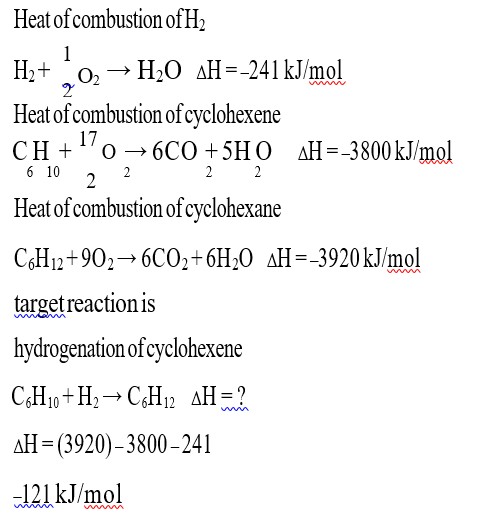
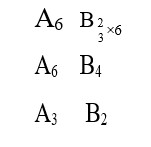
CH3COOH + NaOH → CH3COONa + H2O
ΔH = –50.6 kJ/mol
NaOH + SA [HCl] → NaCl + H2O
ΔH = –55.9 kJ/mol
the value of ΔH for ionisation of CH3COOH
⇒ ΔH = +55.9 – 50.6
5.3 kJ/mol
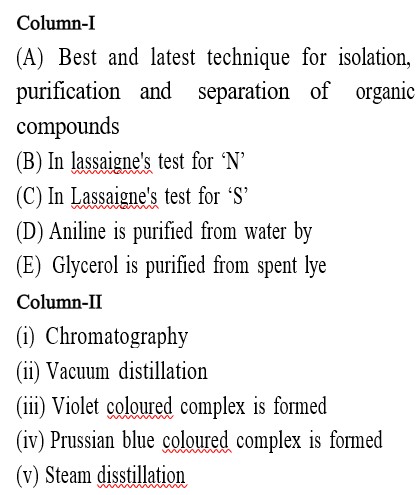
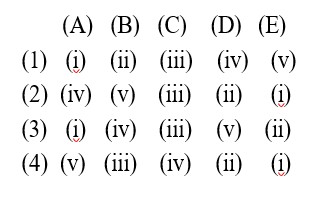
Kindly consider the solution
Fact.
Kindly go through the solution
Taking an Exam? Selecting a College?
Get authentic answers from experts, students and alumni that you won't find anywhere else.
On Shiksha, get access to
67K
Colleges
|
1.2K
Exams
|
7.2L
Reviews
|
1.9M
Answers
Learn more about...

Chemistry Ncert Solutions Class 11th 2023
View Exam DetailsMost viewed information
SummaryDidn't find the answer you were looking for?
Search from Shiksha's 1 lakh+ Topics
or
Ask Current Students, Alumni & our Experts
Have a question related to your career & education?
or
See what others like you are asking & answering