
The ionic radii of F⁻ and O²⁻ respectively are 1.33 Å and 1.4 Å, while the covalent radius of N is 0.74 Å.
The correct statement for the ionic radius of N³⁻ from the following is:
The ionic radii of F⁻ and O²⁻ respectively are 1.33 Å and 1.4 Å, while the covalent radius of N is 0.74 Å.
The correct statement for the ionic radius of N³⁻ from the following is:
Option 1 - <p>It is smaller than O²⁻ and F⁻, but bigger than of N</p>
Option 2 - <p>It is bigger than F⁻ and N, but smaller than of O²⁻<br><!-- [if !supportLineBreakNewLine]--><br><!--[endif]--></p>
Option 3 - <p>It is smaller than F⁻ and N</p>
Option 4 - <p>It is bigger than O²⁻ and F⁻</p>
6 Views|Posted a year ago
Asked by Shiksha User
1 Answer
A
Answered by
a year ago
Correct Option - 1
Detailed Solution:
Anions have larger radii than atoms. Also, higher the e/p ratio higher the ionic radii. So, N? ³ > O? ² > F?
 Upvote
Similar Questions for you
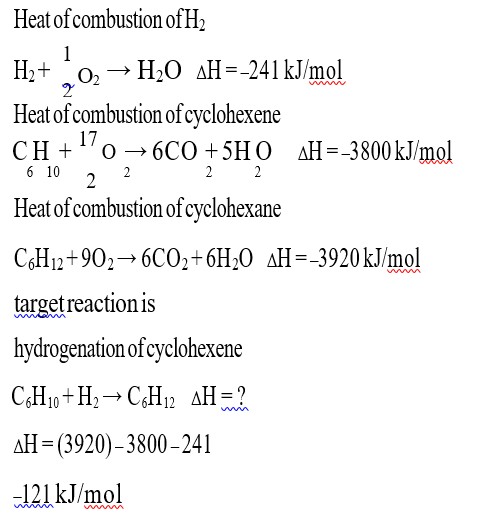
CH3COOH + NaOH → CH3COONa + H2O
ΔH = –50.6 kJ/mol
NaOH + SA [HCl] → NaCl + H2O
ΔH = –55.9 kJ/mol
the value of ΔH for ionisation of CH3COOH
⇒ ΔH = +55.9 – 50.6
5.3 kJ/mol
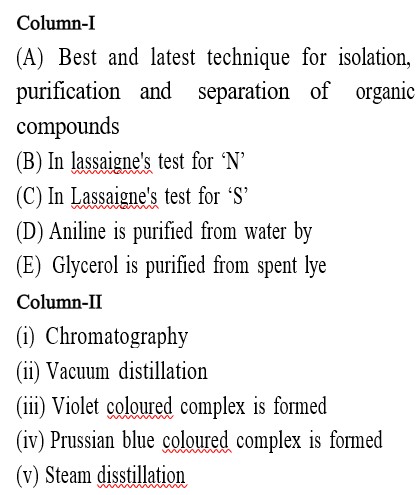
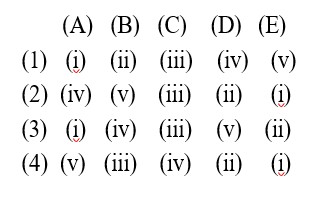
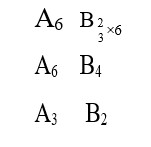
Kindly consider the solution
Fact.
Kindly go through the solution
Taking an Exam? Selecting a College?
Get authentic answers from experts, students and alumni that you won't find anywhere else.
On Shiksha, get access to
67K
Colleges
|
1.2K
Exams
|
7.2L
Reviews
|
1.9M
Answers
Learn more about...

Chemistry Classification of Elements and Periodicity in Properties 2025
View Exam DetailsMost viewed information
SummaryDidn't find the answer you were looking for?
Search from Shiksha's 1 lakh+ Topics
or
Ask Current Students, Alumni & our Experts
Have a question related to your career & education?
or
See what others like you are asking & answering